
Location Blindness
You serve three different locations weekly but no systematic tracking of which spots drive profitability vs which barely cover costs. Revenue recorded as lump sum, location insight lost.
Your food is street-ready, but are your operations road-tested?
Food trucks demand precision in mobility, inventory control, and location optimization. Your operations system should match that agility. Unify inventory tracking, location-based revenue analysis, commissary management, and customer engagement under one mobile-first ERP.


Trusted by restaurant operators across India
What happens when location changes faster than your systems can track? Disconnected operations don't just create inefficiency. They systematically hide profitability patterns and waste opportunities.
You serve three different locations weekly but no systematic tracking of which spots drive profitability vs which barely cover costs. Revenue recorded as lump sum, location insight lost.
Limited truck space forces lean inventory, but no real-time tracking means constant risk of running out mid-service or carrying excess that expires. Daily guesswork, not data-driven planning.
Operating permits vary by city zone, parking regulations change by location, health certifications need renewal—tracking done on paper and memory, violations costly.
Daily commissary visits required for prep, storage, cleaning, but no integration between truck operations and commissary usage—manual reconciliation of what was prepped vs what was sold.
The truth every mobile food operator knows

Critical profit leakage points in food truck operations. Built on mobility and flexibility but weakened by operational complexity. Strong food reputation but financial foundation unstable.
Spending 4 hours at location generating ₹8,000 revenue when fuel, prep time, and opportunity cost exceed ₹6,000—net contribution ₹2,000. Better location could yield ₹18,000 same timeframe.
Limited space means multiple daily commissary runs for fresh prep. Over-prep leads to 12-18% daily waste. Under-prep means lost sales. No systematic forecasting by location and day.
Commissary kitchen charged hourly but prep workflow not optimized—inefficient use of shared space costing ₹800-1,200 daily. Batch cooking intelligence would reduce commissary time 40%.
Loyal customers from last week can't find truck this week when location changes. No systematic broadcasting of real-time location. Social media posts manual, inconsistent, reaching fraction of potential customers.
Food trucks lose ₹2-5 lakhs monthly per truck through dead locations, inventory waste, commissary inefficiency, and customer discovery gaps. Industry faces regulatory complexity with varying permits across locations, intense competition for prime spots, and operational cost pressures from fuel, licenses, and commissary fees.
Agile enough to track location changes hourly. Precise enough to manage inventory in constrained truck space. Designed specifically for food trucks with mobile inventory tracking, location-based revenue analysis, and commissary coordination.
Real-time ingredient tracking optimized for limited truck storage capacity
Automated stock deduction based on recipe quantities per order
FIFO enforcement critical for perishables in mobile environment
Par level alerts by location and expected demand preventing stockouts
Commissary-to-truck transfer tracking with prep and loading documentation
Supplier management with mobile-friendly ordering and delivery coordination
Spoilage and waste tracking identifying patterns by location and day
Know exactly what's on truck, what's needed, when to restock—no guesswork
Real-time GPS location tracking with automatic revenue tagging by spot
Location-wise performance analytics showing revenue, customer count, and profit per hour
Historical comparison identifying best days and times for each location
Weather integration predicting demand impact by location type
Event calendar integration flagging high-opportunity dates and locations
Dead location identification with profitability alerts
Route optimization suggesting most profitable location sequences
Make location decisions with data—not hunches and hope
Item-wise profitability tracking with true cost including preparation and waste
Menu mix optimization showing heroes vs low-margin items
Preparation time tracking identifying bottleneck dishes slowing service
Location-based menu performance showing what sells where
Dynamic menu management enabling location-specific offerings
Pricing simulator testing impact of price changes on margins and volume
Recipe standardization ensuring consistency across service days
Optimize menu for profitability and operational speed—not just popularity
Commissary usage tracking with hourly cost allocation and efficiency metrics
Prep scheduling optimizing shared kitchen time and reducing rental costs
Ingredient storage management at commissary with FIFO and expiry tracking
Equipment reservation for shared commissary resources
Compliance documentation for health department inspections
Commissary-to-truck transfer logs with food safety temperature monitoring
Waste disposal tracking meeting regulatory requirements
Maximize commissary efficiency—minimize rental costs while meeting compliance
Centralized permit tracking for health licenses, vendor permits, vehicle registrations
Renewal reminders preventing expiry and operational interruptions
Location-specific regulation database showing permit requirements by zone
Inspection history and corrective action tracking
Insurance policy management with coverage verification
Fire safety and equipment certification tracking
Document repository for quick access during inspections and audits
Stay compliant across multiple jurisdictions—avoid fines and shutdowns
Automated location sharing to customer-facing channels when truck goes live
Integration with social media posting location updates automatically
SMS and app notifications to opted-in customers when nearby
Estimated service duration broadcasting setting customer expectations
Live queue status showing wait times reducing uncertainty
Post-service feedback collection with location tagging
Repeat customer identification and targeted location announcements
Let customers find you—wherever you park, however often you move
POS system optimized for speed and outdoor mobile environment
Pre-order capabilities allowing customers to order ahead before arrival
Queue management showing estimated wait times reducing perceived delays
Payment processing supporting UPI, cards, and cash with reconciliation
Order history by customer enabling personalized recommendations
Bulk order handling for corporate catering and event bookings
Real-time kitchen display showing prep sequence and timing
Serve fast, serve accurately—keep lines moving and customers happy
Fleet-wide inventory visibility preventing stockouts across trucks
Centralized commissary coordination for multiple truck schedules
Location conflict prevention ensuring trucks don't overlap territories
Performance comparison dashboards identifying best practices and training needs
Shared customer database with cross-truck loyalty recognition
Consolidated financial reporting with truck-wise P&L breakdowns
Franchise management enabling consistent standards across owned and franchised trucks
Scale from 1 truck to 10+ trucks without losing control or consistency
Here's a 10-point comparison showing why RanceLab ERP is engineered for food truck success.
Basic order taking and payment processing
Complete mobile operations from commissary prep through location service to financial analysis
No location tracking or revenue attribution
GPS-based location intelligence with revenue per location and profitability analytics
Manual inventory counts
Real-time mobile inventory with automated deduction and commissary integration
No menu profitability visibility
Item-level profitability with prep time and waste factored into true cost
Generic waste tracking
Systematic spoilage prevention with FIFO enforcement and location-based waste pattern analysis
No commissary coordination
Integrated commissary scheduling, usage tracking, and compliance documentation
No permit management
Centralized permit tracking with renewal reminders and regulation database
Manual customer location updates
Automated location broadcasting to social media, SMS, and apps when service begins
Single-truck limitation
Multi-truck fleet management with consolidated operations and truck-wise P&L
Transaction reports only
Location intelligence, menu engineering, and operational efficiency dashboards driving better decisions
Basic order taking and payment processing
Complete mobile operations from commissary prep through location service to financial analysis
No location tracking or revenue attribution
GPS-based location intelligence with revenue per location and profitability analytics
Manual inventory counts
Real-time mobile inventory with automated deduction and commissary integration
No menu profitability visibility
Item-level profitability with prep time and waste factored into true cost
Generic waste tracking
Systematic spoilage prevention with FIFO enforcement and location-based waste pattern analysis
No commissary coordination
Integrated commissary scheduling, usage tracking, and compliance documentation
No permit management
Centralized permit tracking with renewal reminders and regulation database
Manual customer location updates
Automated location broadcasting to social media, SMS, and apps when service begins
Single-truck limitation
Multi-truck fleet management with consolidated operations and truck-wise P&L
Transaction reports only
Location intelligence, menu engineering, and operational efficiency dashboards driving better decisions
Results delivered within 90 days of implementation
Location profitability revealed—eliminated 2 dead locations, doubled down on 3 high-performers, increased net revenue 34%
This is how operations transform with RanceLab ERP.
6:30 AM—arrive at commissary kitchen. Dashboard shows today's schedule: Tech Park location 11:30 AM-2:30 PM (Monday historically strong, 180-220 orders expected), then College Campus 6:00 PM-9:00 PM (evening exams week, 140-160 orders predicted).
Prep list auto-generated based on forecasted demand and current commissary inventory: 8kg marinated chicken, 12kg prepped vegetables, 4L signature sauce, 150 burger buns. Ingredients pulled from commissary storage using FIFO—oldest stock first, expiry dates verified automatically.
Commissary usage logged—2.5 hours booked, prep completed in 2.1 hours, efficiency captured for cost allocation. Temperature logs recorded for food safety compliance. Truck loading checklist completed with transfer documentation.
Start day with precision—prep exactly what's needed, nothing wasted
11:15 AM—arrive Tech Park, GPS automatically logs location. System sends automated notifications: Instagram story posted, SMS to 340 opted-in customers within 3km radius, app users receive push notification. "We're LIVE at Tech Park Gate 3 until 2:30 PM!"
Service begins 11:30 AM—orders flow through mobile POS, each order deducts inventory in real-time. By 12:45 PM, chicken supply at 60%—system suggests slowing service pace or limiting menu items requiring chicken to prevent stockout before planned end time.
Dashboard shows live metrics: 142 orders in 90 minutes, ₹32,400 revenue, current run rate suggests ₹43,000 by 2:30 PM. Bestsellers today: Chicken Burger (48 orders), Loaded Fries (56 orders). Margin tracking shows healthy 68% gross margin.
Serve efficiently with full visibility—never run out, never over-carry
2:45 PM—wrapped Tech Park service. Final numbers: 198 orders, ₹44,800 revenue, 3 hours service time including setup. Net contribution after food cost, fuel, commissary allocation: ₹26,200. Performance logged automatically with location tag.
Inventory check before evening location: chicken depleted as expected, vegetables at 40%, sauces and buns sufficient for 140-160 evening orders as planned. No mid-day commissary run needed—prep accuracy validated.
Weather check integrated: light rain predicted 7:00 PM-8:00 PM at college campus. Historical data shows rain reduces foot traffic 25-30% at outdoor locations. System suggests: arrive on time but prepare for lower volume, consider early close if prolonged rain reduces customer flow below viability threshold.
Make informed decisions between services—adapt to real-time conditions
5:45 PM—arrive College Campus. Automated location broadcast triggers again across channels. 230 customers receive notification—significantly higher than Tech Park's 340 because college demographic has higher app adoption and SMS opt-in rate.
Service begins 6:00 PM—strong initial flow, 42 orders in first 30 minutes. Light rain starts 7:10 PM as predicted. Customer flow drops but doesn't stop—covered walkway nearby provides shelter. By 8:00 PM, 128 orders completed, ₹28,600 revenue.
Rain intensifies 8:15 PM, customer flow drops to trickle. Dashboard shows: remaining inventory would serve 35 more orders, but current pace suggests only 8-10 orders in final 45 minutes. Decision: close early at 8:30 PM, return remaining inventory to commissary for tomorrow rather than wait in rain for marginal revenue.
Final evening tally: 136 orders, ₹30,400 revenue, net contribution ₹17,800. Lower than forecast but strong given weather impact.
Respond intelligently to changing conditions—protect profitability and staff morale
Why mobile food businesses standardize on integrated systems

Built specifically for food trucks—mobile inventory, GPS tracking, limited space constraints, commissary coordination—not adapted from restaurant software

Revenue and profitability tracked by location enabling data-driven decisions on where to serve and when

Complete commissary workflow from prep scheduling through transfer tracking to compliance documentation

Full deployment, staff training, commissary coordination setup, and continuous optimization from specialists who understand mobile food economics
One platform, one mobile operation, one profitable truck from commissary to curb
Inventory, location, revenue, compliance all in single integrated system
We own implementation success and operational optimization
Better locations, lower waste, higher margins, scalable growth
Yes. Even single trucks face complex mobile inventory management, location optimization, commissary coordination, and permit tracking challenges. An ERP provides operational control, waste reduction, and location intelligence that dramatically improve profitability. Cost of poor location decisions and inventory waste far exceeds system investment.
Absolutely. GPS-based location tagging with revenue and cost attribution shows profitability per location per hour. Historical analysis reveals patterns by day, time, weather, and season enabling data-driven location strategy.
Complete commissary workflow including prep scheduling, ingredient storage tracking, equipment reservation, usage time logging, and compliance documentation. Transfer tracking from commissary to truck with food safety temperature monitoring.
Yes. Automated location broadcasting when service begins across social media, SMS to opted-in customers, and app push notifications. Real-time location sharing with estimated service duration and queue status.
Yes. Centralized permit management with renewal reminders, location-specific regulation database, inspection history, and document repository for quick access during audits. Prevents expiry-related service interruptions.
Through demand forecasting by location and day, FIFO inventory enforcement, real-time stock tracking with low-level alerts, and waste pattern analysis identifying improvement opportunities. Typical waste reduction 40-50%.
Perfect use case. Multi-truck fleet management with centralized commissary coordination, location conflict prevention, performance comparison, and truck-wise P&L tracking. Shared customer database enables cross-truck loyalty. System supports owned and franchised truck models.
No. Implementation happens during off-service hours. Initial setup includes commissary inventory loading, menu and recipe configuration, and permit documentation. Staff training conducted in phases. Most operators fully operational within 3-5 days with parallel operation support.
Yes. Pre-order capabilities allow customers to order ahead with pickup time selection. Bulk order management for corporate catering and event bookings with separate workflows from daily service. Deposit tracking and event-specific profitability analysis.
By optimizing location selection toward high-profit spots, reducing inventory waste through accurate forecasting and FIFO, improving commissary efficiency lowering prep costs, enhancing customer discovery increasing daily volume, and enabling menu engineering toward profitable items. Typical margin improvement 5-8 percentage points within first quarter.
“With RanceLab, we gained full visibility and control across outlets, scaling smoothly to 18 locations.”
Gangaram Dairy
“Fast POS billing, real-time inventory, detailed reporting, and seamless GST — RanceLab keeps our operations smooth and accurate.”
Sindhi Sweets (Since 1976)
“Rancelab's strong accounting and GST capabilities has helped us scale from 18 to 66 outlets with ease.”
Rangoli Foods
Real food truck operations, real challenges, measurable profitability improvements.

1 Truck | 5 Regular Locations Weekly | Mexican-Indian Fusion Menu | ₹18L Annual Revenue. Location profitability revealed—eliminated 2 dead locations, doubled down on 3 high-performers, increased net revenue 34%.
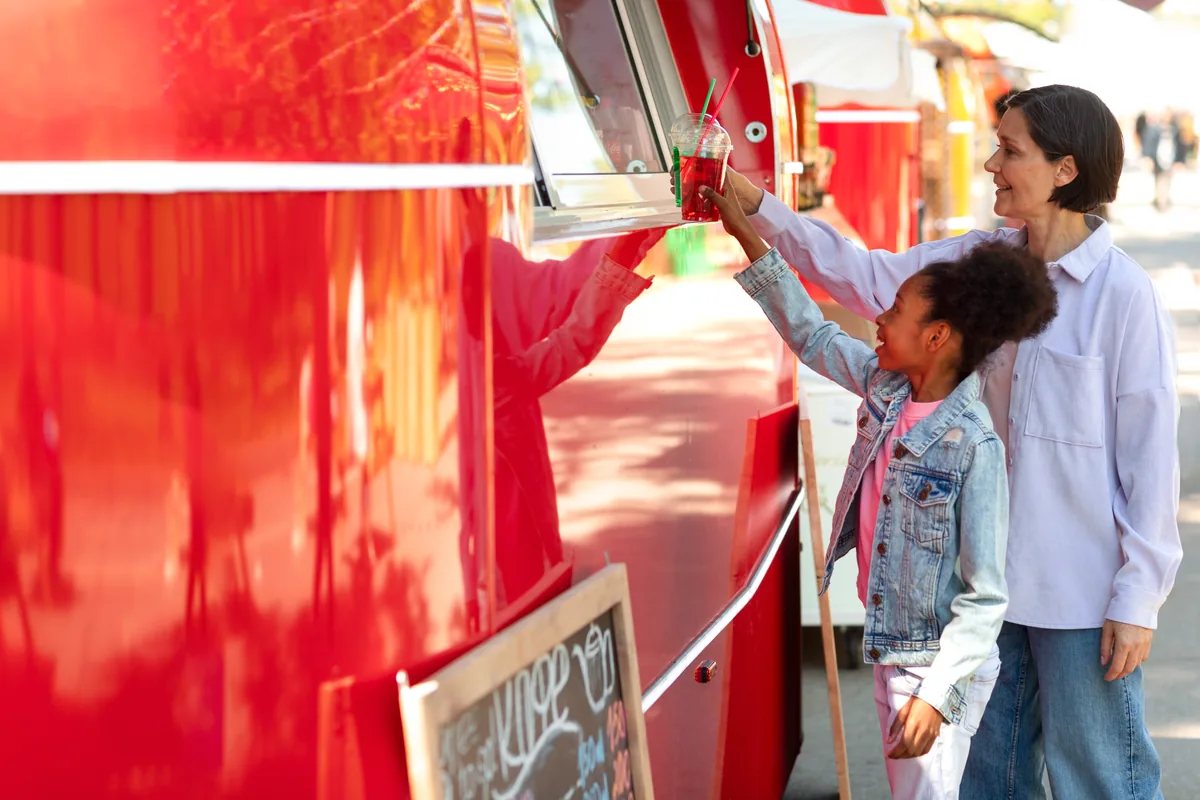
7 Trucks | Tech Park & College Circuit | Gourmet Pizza Focus | ₹1.5 Cr Annual Revenue. Menu optimization identified popular items with thin margins vs hero items. Net margin improved from 41% to 52%.
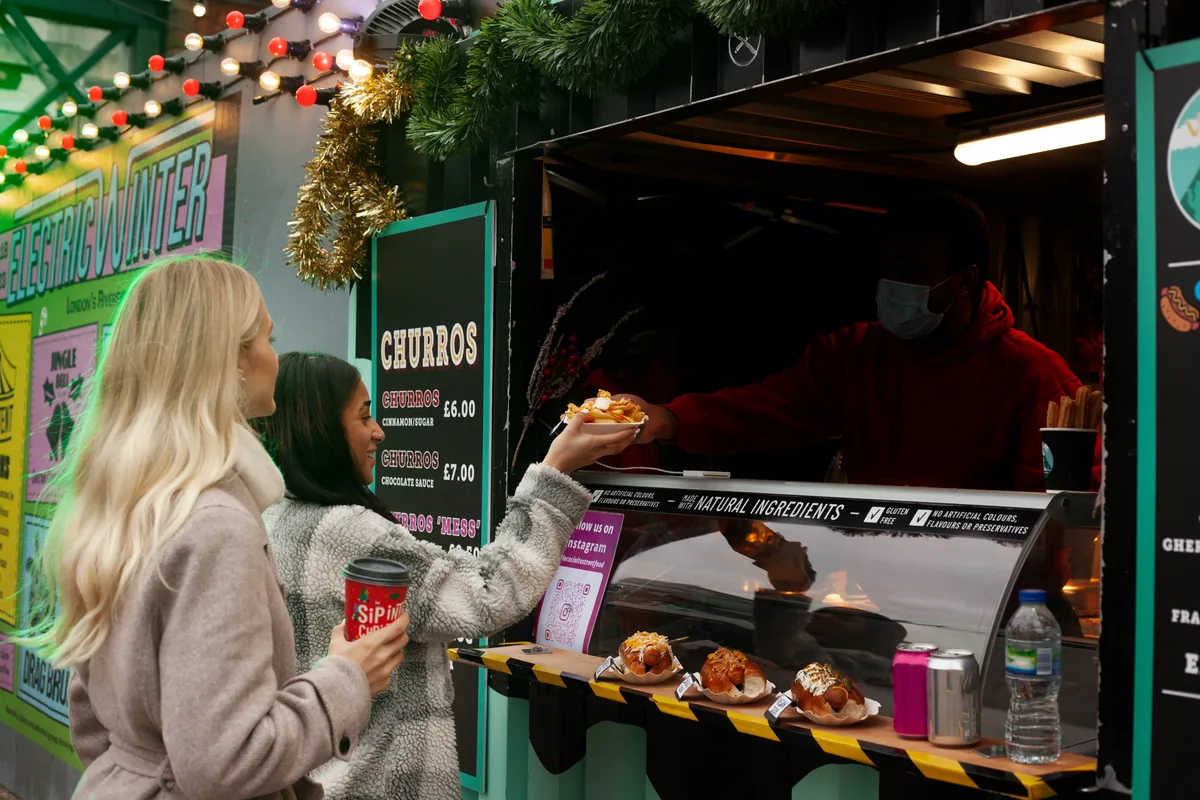
4 Trucks | 15 Combined Locations | Multi-Brand Strategy | ₹82L Annual Revenue. Fleet net margin improved from 14% to 26%. Inventory consolidation reduced food costs 18%.


