
Commission Squeeze
25–30% commission on every ticket means you run kitchens, riders, and rent while platforms keep the fattest slice
Your order volume is rising, but is your cloud kitchen truly profitable?
Cloud kitchens live and die on unit economics—every order, every minute of capacity, every rupee of commission. Your system should protect margins while you scale brands and locations. Bring multi-brand menus, aggregator orders, production, and profitability analytics under one cloud-kitchen-native ERP.


Trusted by restaurant operators across India
Relying on aggregators for 80–100% of orders without deep cost visibility turns growth into a margin trap.
25–30% commission on every ticket means you run kitchens, riders, and rent while platforms keep the fattest slice
You see GMV screenshots, not true margins after food cost, packaging, discounts, and platform fees per brand
Menus are designed for 'discoverability', not contribution margin. High-commission SKUs still priced like walk-in items
4–10 virtual brands share one line, but no brand-wise P&L clarity—winners and losers stay mixed in the same kitchen
Asset-light doesn't mean control-light. Each blind spot compounds across brands and locations.
Multiple brands share the same base SKUs, but demand is not forecasted jointly—surplus prep in one brand becomes waste
Kitchens run at 40–60% capacity outside peak slots—fixed costs keep ticking while hoods and riders idle
No standard SKUs for boxes or inserts, over-spec for small tickets, and no per-brand packaging P&L
Policy or algorithm changes on one major platform can wipe out margins or visibility overnight—without a backup demand engine
Cloud kitchens commonly lose ₹6–11 lakhs per month per hub through mispriced menus, commission-heavy channel mix, unmanaged packaging, and idle capacity—even while headline GMV looks 'healthy'.
Brand-agnostic in the kitchen, brand-aware in the P&L. Built to make every hub, every brand, and every order measurable, controllable, and repeatable.
One kitchen, many brands—without losing clarity on which one actually makes money
Stop living in 4–6 aggregator dashboards—control the entire network from one place
Calculate order-level profitability including food cost, packaging, commissions, discounts, and tax. Identify hero SKUs vs vanity SKUs, run what-if pricing simulations, and trigger alerts when margins dip below thresholds.
Outcome:
Separate vanity brands from profit engines before you scale the wrong mix
Turn kitchen-time into billable-time across the day, not just in two peaks
Standardize packaging SKUs, map dish-level packaging costs, and track waste and damage across brands and hubs. Benchmark supplier rates with consolidated volume and keep packaging as a controlled cost center.
Outcome:
Make packaging a designed cost center instead of a silent leakage
Know which kitchens deserve the next rupee of investment—and which need a turnaround plan
Use platforms for discovery, not permanent dependency—grow your own repeat base
See your real numbers every day so expansion decisions are data-backed, not hope-backed
Here's a 10-point comparison showing why RanceLab ERP is engineered for pure cloud kitchen models.
Built around tables and dining areas
Built around hubs, brands, and tickets with no dine-in assumptions
Single-brand mindset
Multi-brand, single-kitchen architecture with brand-level P&L
Basic sales reports
True profitability by brand, hub, item, and channel
Limited aggregator integrations
Deep aggregator control with menu, pricing, and SLA from one console
No packaging intelligence
Packaging library with per-order cost attribution
Station-agnostic KOT printing
Station-aware KDS tuned for multi-brand production flows
Customer data as afterthought
Direct-channel shift and retention engine built into operations
Restaurant-style inventory
Shared-ingredient inventory for multiple virtual brands
Unit-level view only
Hub, city, and network-wide roll-up analytics
Month-end reconciliation
Daily financial and operational cockpit for expansion decisions
Built around tables and dining areas
Built around hubs, brands, and tickets with no dine-in assumptions
Single-brand mindset
Multi-brand, single-kitchen architecture with brand-level P&L
Basic sales reports
True profitability by brand, hub, item, and channel
Limited aggregator integrations
Deep aggregator control with menu, pricing, and SLA from one console
No packaging intelligence
Packaging library with per-order cost attribution
Station-agnostic KOT printing
Station-aware KDS tuned for multi-brand production flows
Customer data as afterthought
Direct-channel shift and retention engine built into operations
Restaurant-style inventory
Shared-ingredient inventory for multiple virtual brands
Unit-level view only
Hub, city, and network-wide roll-up analytics
Month-end reconciliation
Daily financial and operational cockpit for expansion decisions
Results cloud kitchen operators achieved within 90 days
Brand-wise profitability clarity surfaced loss-making brands and SKUs, enabling immediate margin lift
This is how a pure cloud kitchen runs when every brand and order is under one system.
The day starts with a hub dashboard summarising yesterday: order volume by brand, margin per brand, SLA adherence, and total capacity utilisation by time band. Red flags show one brand running high volume but low margin, another with strong margin but low repeat purchase.
Forecast engine proposes today's expected orders per brand and time slot. Prep lists for shared SKUs (gravies, sauces, bases, marinades, pre-cut veg) are generated, optimised for cross-brand usage. Purchasing suggestions are consolidated to avoid over-buying.
Align prep and purchasing with a single view of all brands, not in silos.
At lunch, orders pour in from multiple aggregators for four different brands. Instead of independent queues, the Kitchen Display System merges them into a single production view sorted by promised delivery time and prep complexity.
Grill, fry, curry, and assembly stations each see a unified ticket stream tagged with brand and SLA, not platform name. When capacity crosses a configured limit, the system automatically greys out selected SKUs or temporarily increases prep times on aggregator menus to protect SLAs.
Maintain promise times and ratings without relying on manual throttling or guesswork.
Managers review real-time margin snapshots by platform and brand. Negative-margin combinations are flagged, and pricing/portion tests are queued for evening slots using simulators to preserve contribution margin even during promotions.
Action:
Treat brand-platform combinations as financial levers, not fixed constraints
The evening peak hits. Three brands are running promos, and one city-wide event drives sudden traffic. The system dynamically redistributes prep load across stations and highlights at-risk tickets. Packaging station sees one combined queue, with clear instructions on which branded box, inserts, and labels each order needs.
If an ingredient for one brand hits a low threshold, that brand's affected SKUs are auto-switched to "unavailable" on aggregators while other brands continue uninterrupted. No last-minute cancellations due to missing items.
Keep all brands live and coherent without burning out the kitchen or cancelling orders.
Why multi-brand, multi-hub players choose one platform

Built specifically for delivery-only, multi-brand operations with no dine-in assumptions

Dashboards, workflows, and alerts are centered on contribution margin and hub profitability

Scale from one hub to many with shared recipes, inventory intelligence, and city-level visibility

Implementation, menu mapping, migration, and training by teams experienced in cloud kitchen operations
One platform, one production logic, one clear picture of profitability across your cloud kitchen network
Brands, hubs, and channels all visible in real time
Standard ways of forecasting, cooking, and costing for every brand
Sustainable, scalable cloud kitchen economics instead of "GMV without profit"
Yes. The architecture is built for single-kitchen, multi-brand setups of any size. You can start with one hub and a few brands, then expand without replacing systems.
Yes. The system reveals which brand-platform-item combinations lose money, then supports pricing, menu, and mix corrections. In parallel, it helps build direct channels so dependency reduces over time.
This configuration assumes no dine-in and no traditional restaurant flow. Every workflow from production to reporting is tuned for dark-kitchen economics, multi-brand operations, and hub-level control.
Yes. You can launch pilot brands using cloned recipes, restricted menus, and hub-specific rollouts, then evaluate repeat rate and profitability quickly before scaling or retiring the concept.
Yes. Network dashboards compare city and franchise performance, while recipe, pricing, and compliance controls can remain centralized without daily manual reporting.
Orders continue through local buffering and queue handling. Once connectivity resumes, data is reconciled with aggregator APIs and internal records without losing transactions.
Single-hub rollouts can go live in 1-2 weeks, including menu mapping, integrations, and training. Multi-hub networks follow phased deployment to minimize operational risk.
Yes. You can export structured financial data or integrate with accounting software so finance teams keep familiar workflows while gaining better operational inputs.
You still retain platform dashboards, but day-to-day execution and decisioning move to one control system. Aggregator panels become backup references, not primary operations tools.
Franchise partners can run on the same stack with controlled access. You keep recipe, pricing, and quality governance while franchisees execute standardized operations and reporting.
“With RanceLab, we gained full visibility and control across outlets, scaling smoothly to 18 locations.”
Gangaram Dairy
“Fast POS billing, real-time inventory, detailed reporting, and seamless GST — RanceLab keeps our operations smooth and accurate.”
Sindhi Sweets (Since 1976)
“Rancelab's strong accounting and GST capabilities has helped us scale from 18 to 66 outlets with ease.”
Rangoli Foods
Real transformations in multi-brand, delivery-only operations
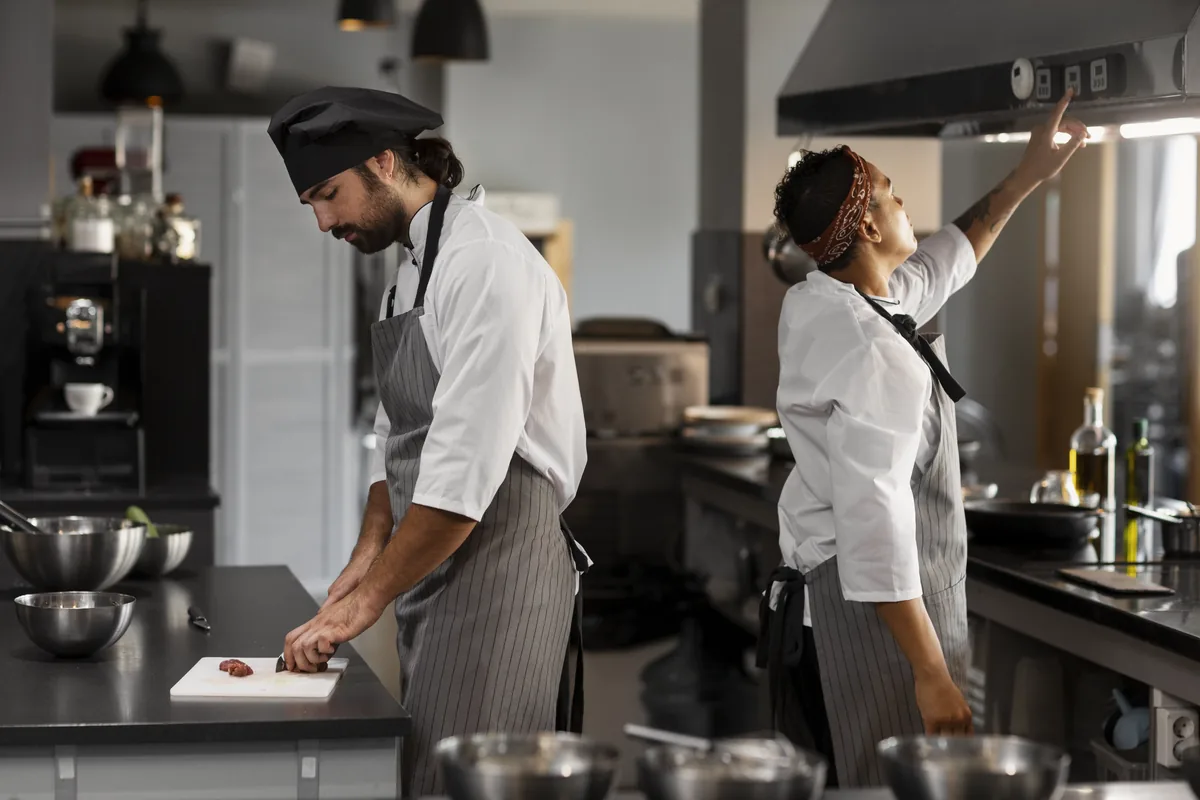
1 Hub | 4 Virtual Brands | 190 Daily Orders | 100% Delivery-Only. Hub-level net margin improved from 6.9% to 12.8% in 90 days.
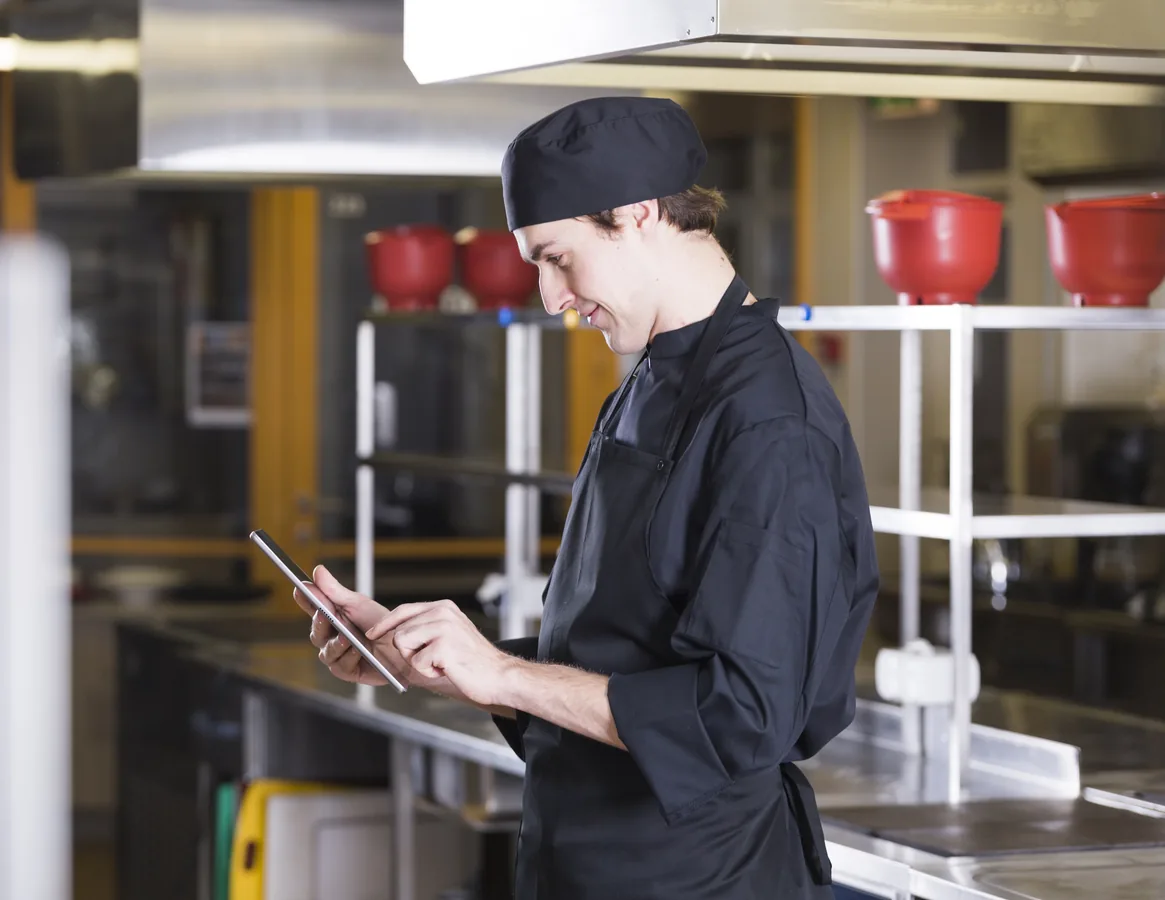
3 Hubs | 7 Brands | 750+ Daily Orders | Multicity Expansion Plan. Network margin uplift of ₹5.6L per month without increasing GMV.
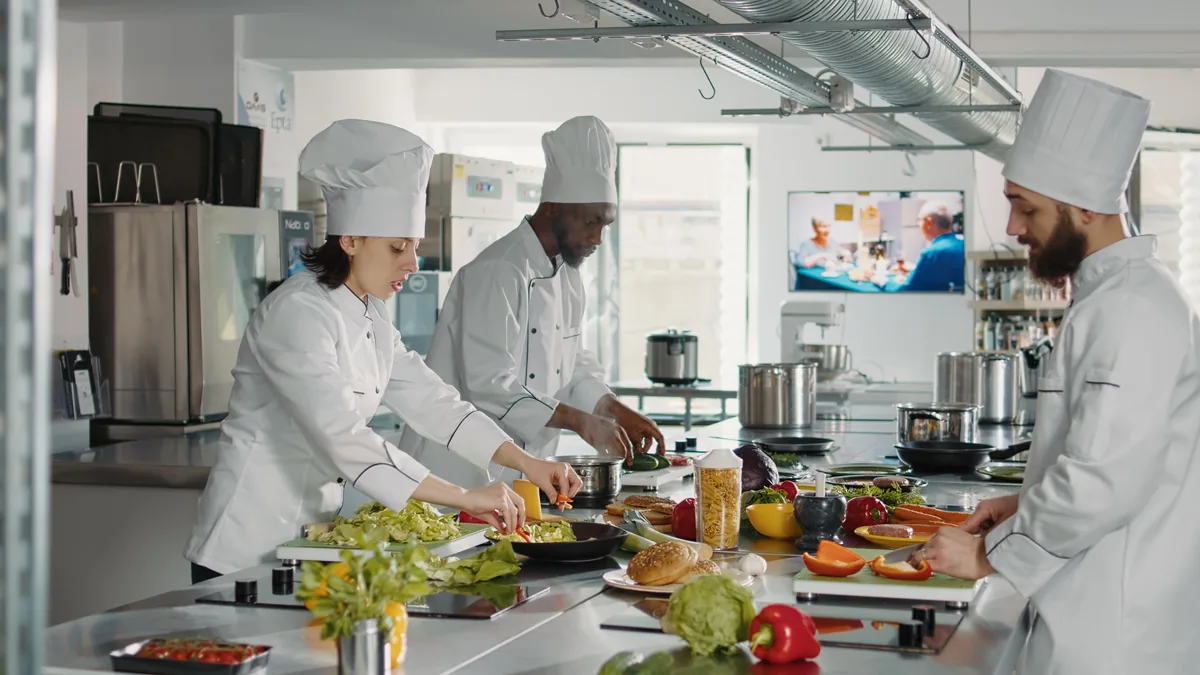
5 Hubs | 11 Virtual Brands | 2,200+ Daily Orders | ₹36 Cr Annual GMV. Overall contribution margin improved by 5.4 percentage points within two quarters.


